
f4transkript Windows
Windows (8.1+)
Version: 7.0.6
f4transkript Windows USB
Windows USB
Version: 7.0.6
f4transkript macOS
macOS (10.14+)
Version: 8.2.0
f4transkript Linux
Linux
Version: 7.0.6
f4transkript Manual
Manual
Version: 7
macOS 10.12+
Windows 7+,
Linux
Intel Core i3+
512 MB RAM
Distributionen / Distributions:
Ubuntu 14.04+
Feodora Workst. 23
Mint 17.3
Arch
Ohne Video / Without video: OpenSuse 13.1, Debian 8.3
Andere Versionen bisher ungetestet / Other versions untested
Sie brauchen einen installierten VLC-Player /
You’ll need an installed VLC-Player
Old versions
Qualitative analysis of textsf4analyse
f4analyse Windows
Windows (8+)
Version: 3.4.5
f4analyse Windows USB
Windows USB
Version: 3.4.5
f4analyse macOS
macOS (10.14+)
Version: 3.4.5
f4analyse Linux
Linux
Version: 3.4.5
f4analyse Manual
Manual
Version: 3
macOS 10.14+
Windows 7+
Linux
———————————
Intel Core i3 +
1024 MB RAM +
libusb 1.0 +
udev 204 +
———————————
Tested distributions:
* Debian 9 Stretch
* Fedora 32
* Mint 19 Cinnamon
* Mint 19 Mate
* Kubuntu 18.04
* Ubuntu 18.04
With some graphical restrictions
* Mint 19 XFCE
* MX 18
High DPI Support:
* Cinnamon
* Gnome
* KDE Plasma
* Mate Desktop Environment
Please test demo and read readme file.
f4analyse 2.x
———————————
Intel Core i3 +
256 MB RAM +
libusb 1.0 +
udev 204 +
———————————
Tested distributions:
* Ubuntu 14.04
* Fedora 23
* Debian 8
* Open Suse 13.04
* Linux Mint 17.3
Please test demo and read readme file.
Old versions
Speech recognition onlinef4x in the browser
Usable in Edge, Firefox, Chrome and Safari.
Home office necessary?
With the new “tickets” for f4transkript or f4analysis you get 25 license codes for one month each. This allows you to flexibly give licenses e.g. to students – without the need to manage a network license or USB sticks.
About Interview, Transcription & AnalysisManual (on) transcription
Our 6th edition (3rd in English) is meant for everyone planning to conduct, transcribe and analyze qualitative interviews.
The book teaches you how to prepare and record your interviews. We explain how to put your interviews into writing, how to avoid mistakes, and how to transcribe in a rule-governed and technically correct manner.
We offer an overview of general steps across all methods of qualitative analysis and show how to put these into practice with f4analyse. Finally we deal with issues of privacy and safe handling of your data in cloud computing.
We tackle basic questions such as “Why conduct interviews?”, “What do you need before you can get started?”, “How do I ask the right questions?”, “What are common problems?” and “How do I analyze my data?”.

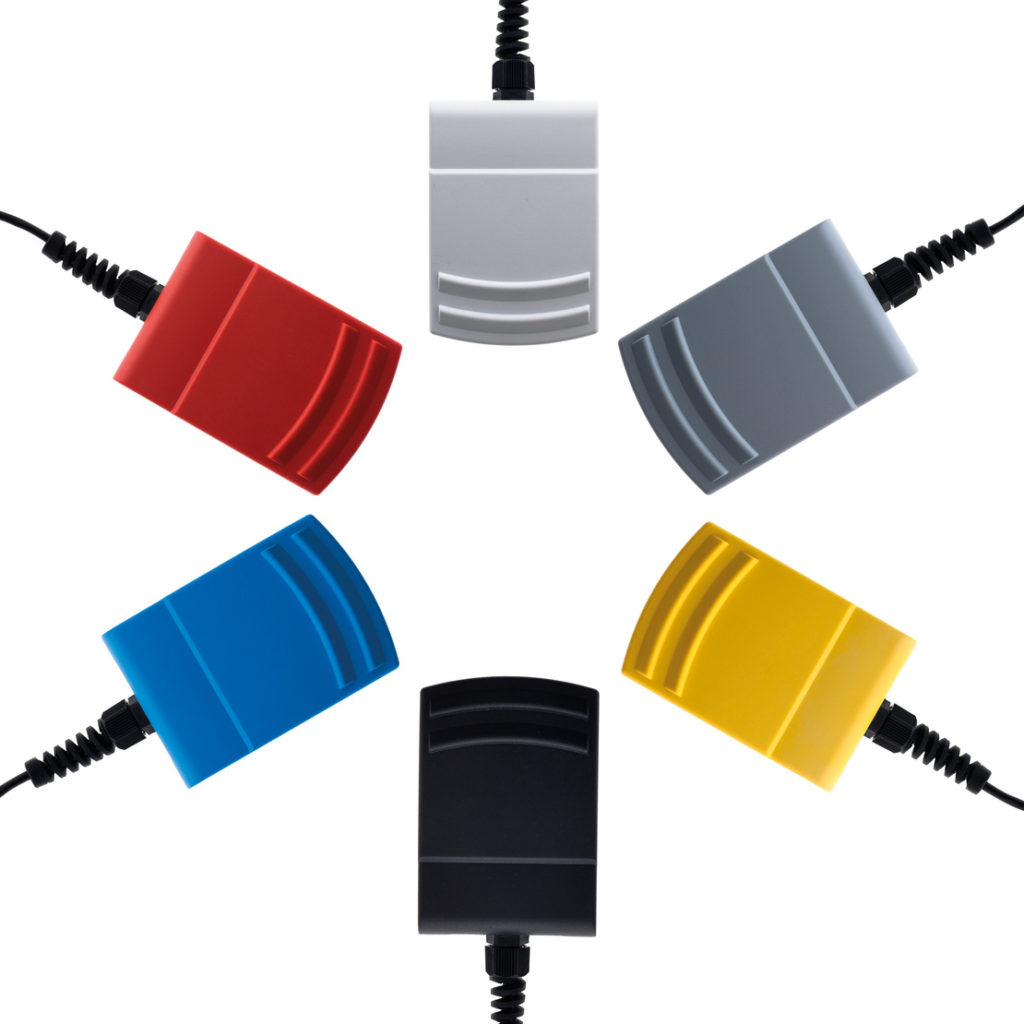
For the science foot switch and f-pro products
Configuration tool
The f-pro pushbuttons are very easy to use. There is no need to install any drivers or software. After connecting the USB port to the computer (MacOSX, Windows 98 or higher, Linux), the pushbutton works immediately after a few seconds and triggers a keyboard command when pressed and/or released. The configuration can be changed as often as desired. The internal memory then remembers the new configuration and can be used immediately on the target computer.
The factory default key combination for Windows is F9 when pressed and F4 when released. If the button is preconfigured for Mac, it is calibrated to CTRL+1 when pressed and CTRL+2 when released.
